You sit down at your desk feeling fine. Thirty minutes later, there it is, that familiar ache in your lower back. You shift in your chair. You adjust your posture. You might even stand up for a minute. But as soon as you sit back down, it starts again.
If this sounds like your daily experience, you're not alone. Back pain from sitting is one of the most common complaints we see, and most people are told the same unhelpful advice: sit up straighter, get a better chair, strengthen your core.
The real problem is deeper than your posture.
Your spine isn't designed for sitting. It evolved for walking, squatting, and lying down. When you sit, especially in a chair, three things happen at once. Your discs compress unevenly: sitting puts far more pressure on your spinal discs than standing, the front of each disc gets squeezed while the back bulges, which is why most disc herniations happen in the rear. Your hip flexors shorten and tighten after hours in a bent position, then pull your pelvis forward and flatten the natural curve in your lower back when you stand. And your posterior chain, the muscles along your back, glutes, and hamstrings designed to hold you upright, goes quiet, forgetting how to activate after hours of disuse.
This creates a cycle: sitting compresses your spine, the compression causes pain, the pain makes you avoid movement, and less movement makes the compression worse.
You've been told to fix your posture a thousand times. And you've tried. You sit up straight, engage your core, pull your shoulders back, and within five minutes you're slumped again. This isn't a willpower problem.
Forcing yourself into "good posture" requires constant muscular effort. Your body can't sustain that. Within minutes, your muscles fatigue and you default back to the position of least resistance, the slumped, compressed position your body has adapted to over years of sitting.
The issue isn't that you won't sit up straight. It's that your body physically can't hold it.Garrett
Every hour you sit, gravity pushes your vertebrae closer together. Your discs lose hydration. The spaces where nerves exit your spine narrow. This is why your back often hurts more at the end of the day than the beginning.
Your hip flexors, hamstrings, and the muscles along your spine shorten to match the position you spend the most time in. After years of sitting eight or more hours daily, these tissues become genuinely shorter and stiffer. This is a structural adaptation, not simply tension.
The muscles that should support your spine, your glutes, deep spinal stabilizers, and posterior chain, weaken from disuse. When you do stand up or move, your body has to compensate, which creates pain in your lower back, hips, knees, and even your neck.
Every layer needs attention, not just one.
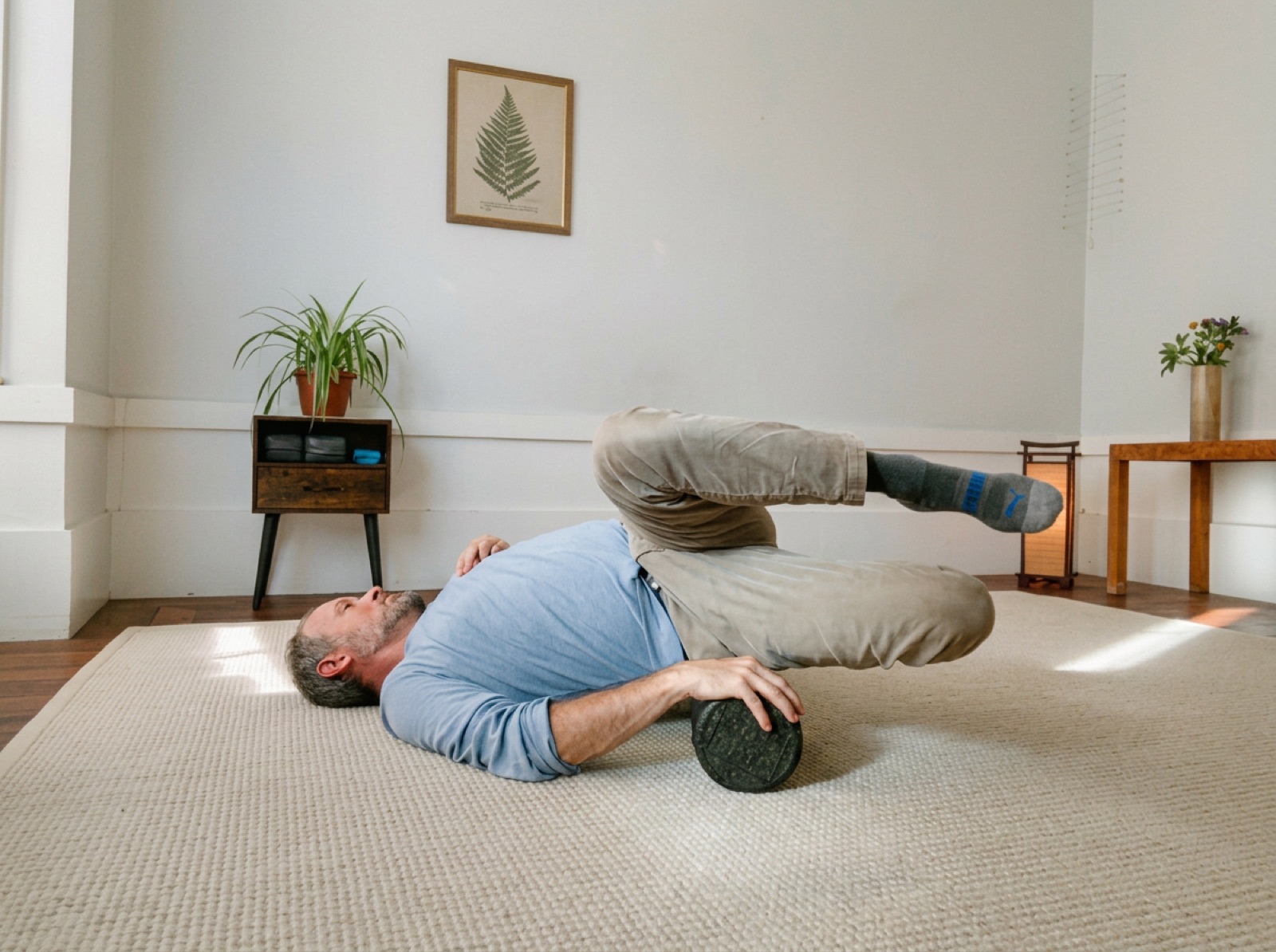
Your spine needs the opposite of sitting. Hanging from a bar, lying over a foam roller, or gentle spinal extension protocols create space between your vertebrae and rehydrate your discs. Even five to ten minutes of daily decompression can dramatically reduce sitting-related pain.
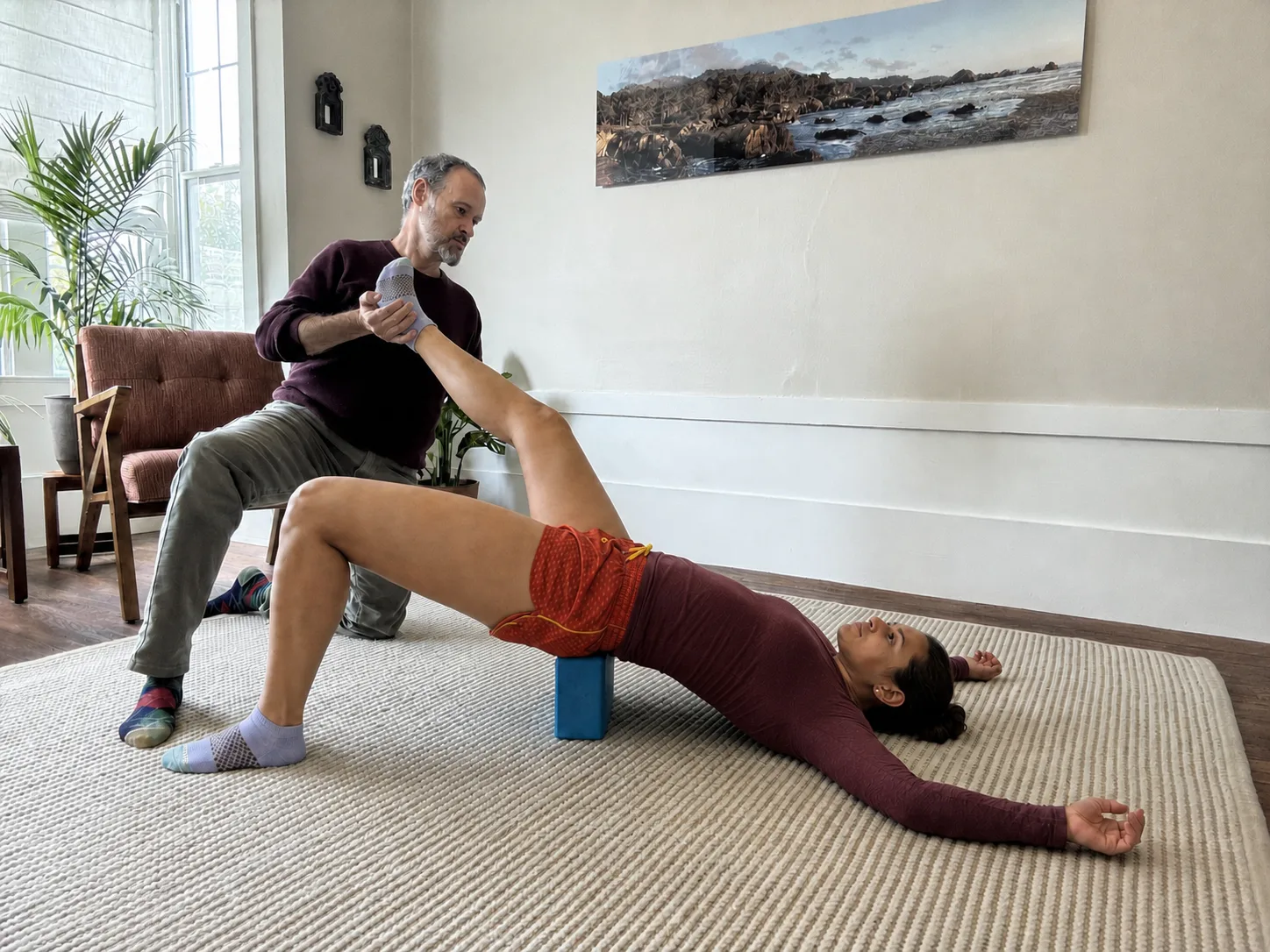
Tight hip flexors are the hidden driver of most sitting-related back pain. When your hips can't extend fully, your lower back compensates and pays the price. Regular hip-opening work, not static stretching alone, resets the relationship between your hips and spine.
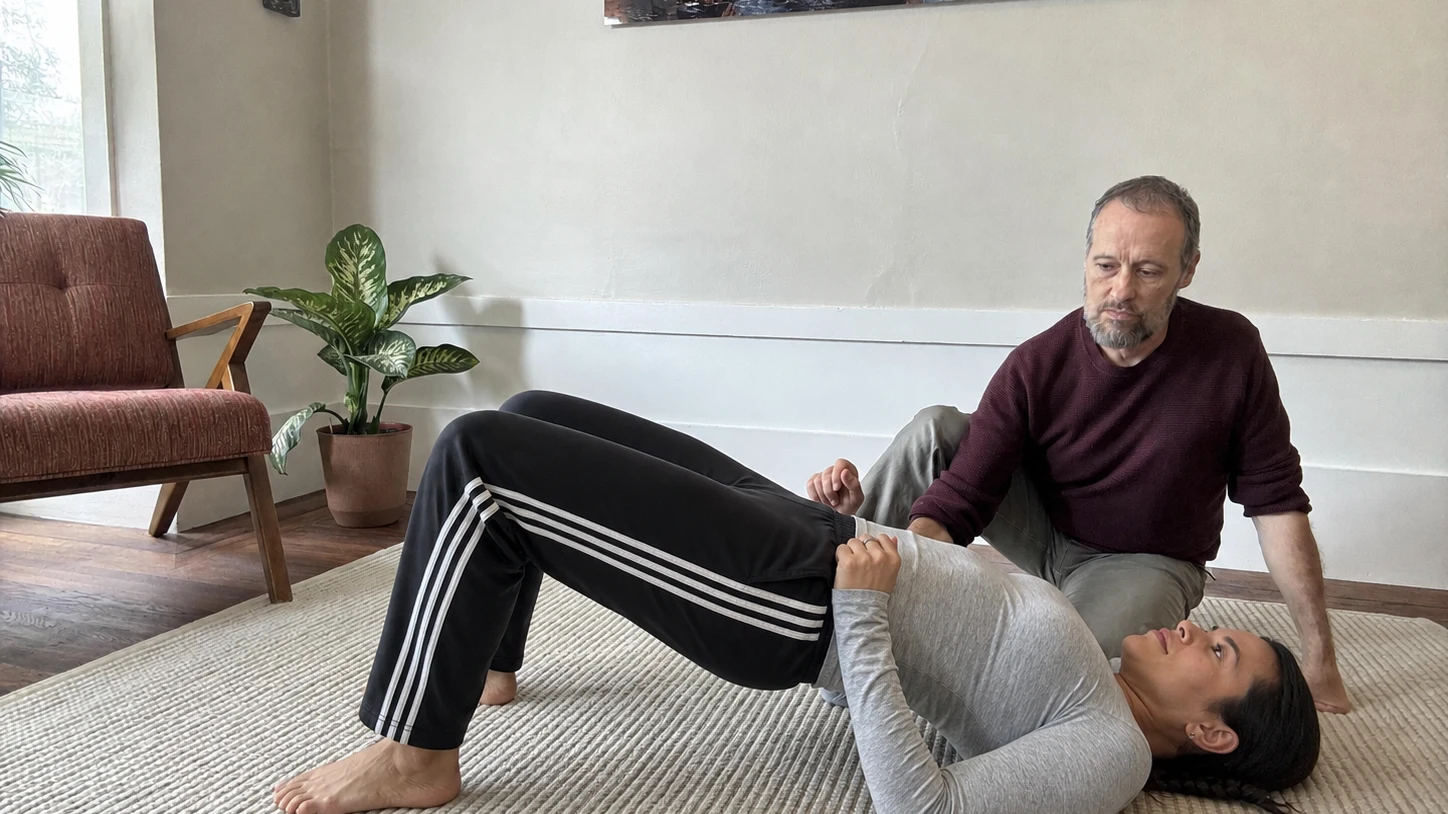
Your glutes and back extensors need to work again. This doesn't mean doing hundreds of crunches. It means reactivating the muscles that sitting has turned off. Bridging protocols, hanging movements, and posterior chain work rebuild the support system your spine needs.
No amount of gym time can undo ten hours of compression. The research is clear: breaking up sitting every thirty to forty-five minutes with even brief movement dramatically reduces spinal compression and pain.
You've probably tried some version of this before: a new chair, a standing desk, a stretching routine you found online. Maybe it helped for a week. A better chair doesn't address compression, it just makes compression more comfortable. A standing desk alone creates new problems, since standing all day without proper alignment trades one pain pattern for another. Generic stretching routines miss the pattern, because your specific compensation determines which muscles need lengthening and which need strengthening. And core exercises often reinforce the problem: crunches and sit-ups mimic the flexed position that's causing your pain in the first place.
The body is a connected system. Resolving sitting-related back pain means understanding your specific pattern, where you're compressed, where you're tight, and where you're quiet, and addressing all of it together.
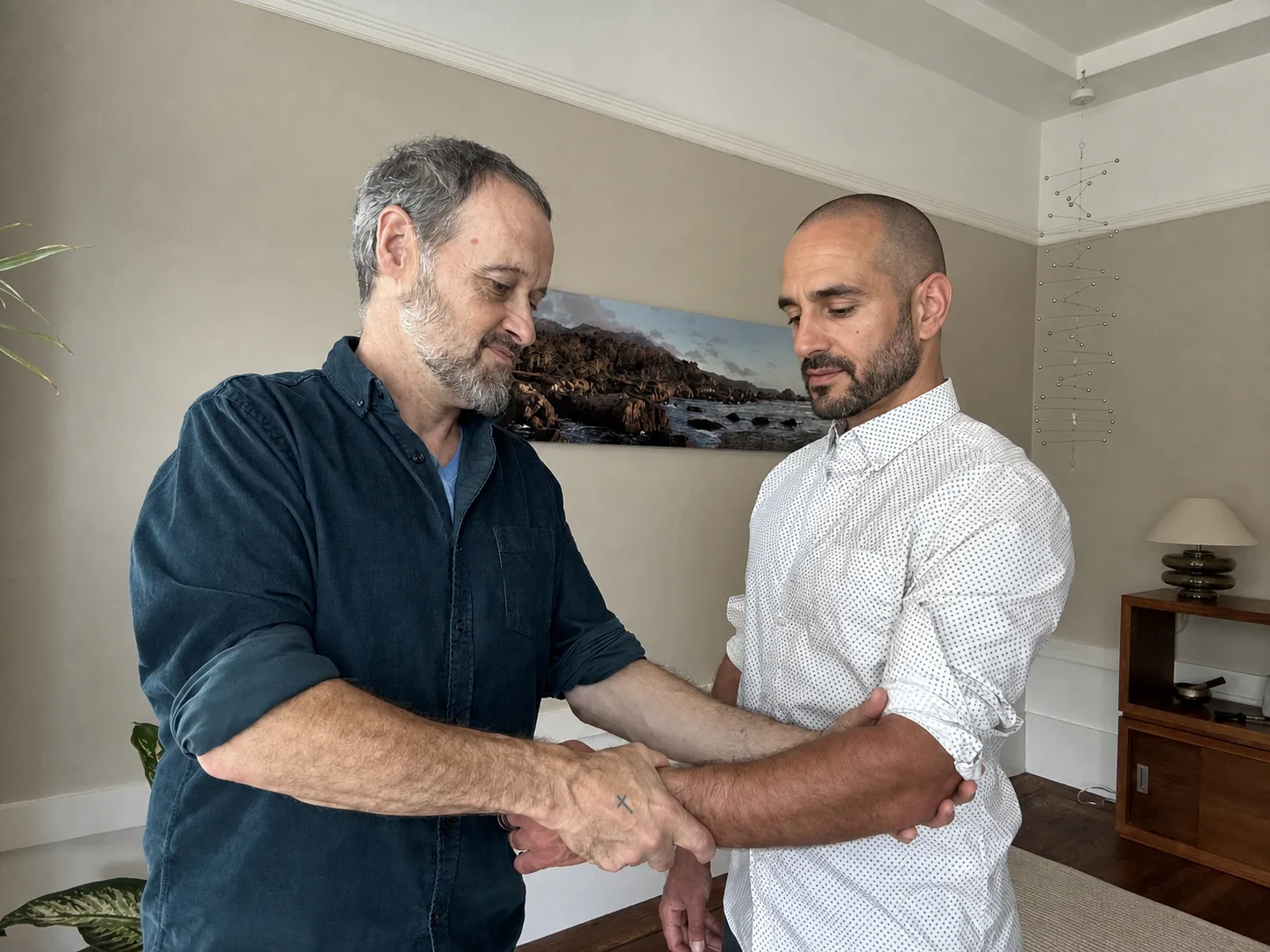
Every body compensates differently for years of sitting. Find your exact pattern in a first session with Garrett.
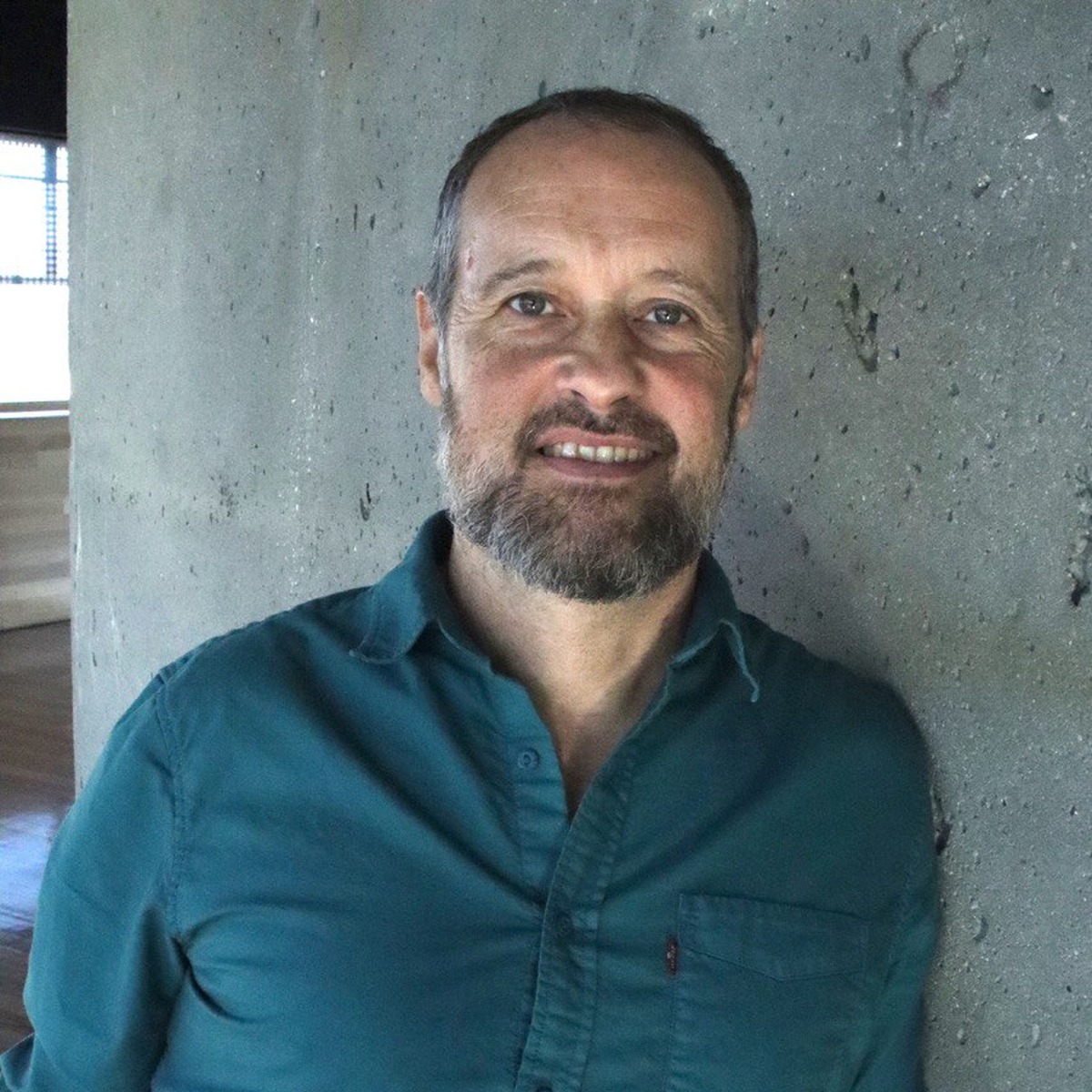
Garrett founded the Amari Method to resolve chronic pain by finding where the body's gone out of balance and correcting it. He sees practice members in San Francisco and offers virtual sessions nationwide.
Start with an Amari Assessment. Garrett will meet you in person, move with you, and explain what a fuller practice could look like.
$29 · 50-minute in-person Assessment · San Francisco