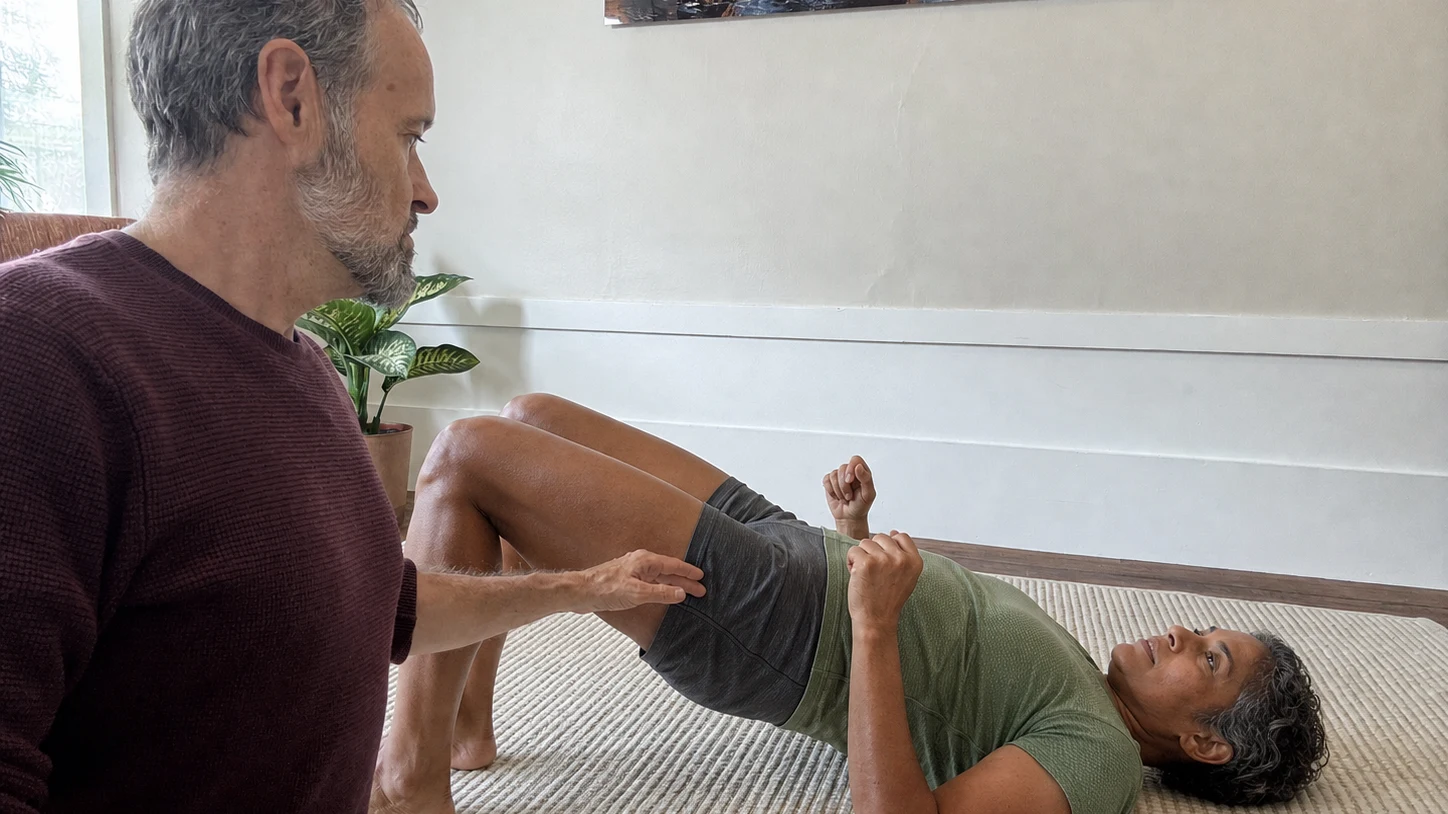
Here's something most people get wrong about their low back and hips: they try to force their way out of tightness. More stretching, harder foam rolling, digging into muscles. The tension stays, or comes right back, because force creates more tension. The body resists it.
The spinal wave is the opposite of force. It's one of Garrett's favorite protocols in the Amari Method, because it works in a way most people have never experienced. You're not making something happen. You're allowing something to happen, and when your body finally gets that permission, years of accumulated compression start to unwind.
When you sit eight-plus hours a day, your hips and low back get chronically compressed. Not tight, compressed. The joints lose space. The muscles around them lock up to protect you, which creates even more compression. It's a cycle that stretching alone can't break, because stretching is still effort, and effort is still force.
Something is working too hard because something isn't working enough. The big muscles you can feel, your hip flexors and low back, are overworking. But there are smaller, deeper muscles along the spine that stabilize each individual vertebra, and when you're stuck in compression, those small muscles essentially get turned off. The bigger muscles take over, and the imbalance compounds. You can't stretch your way back into balance when the problem is that certain muscles have stopped participating entirely.
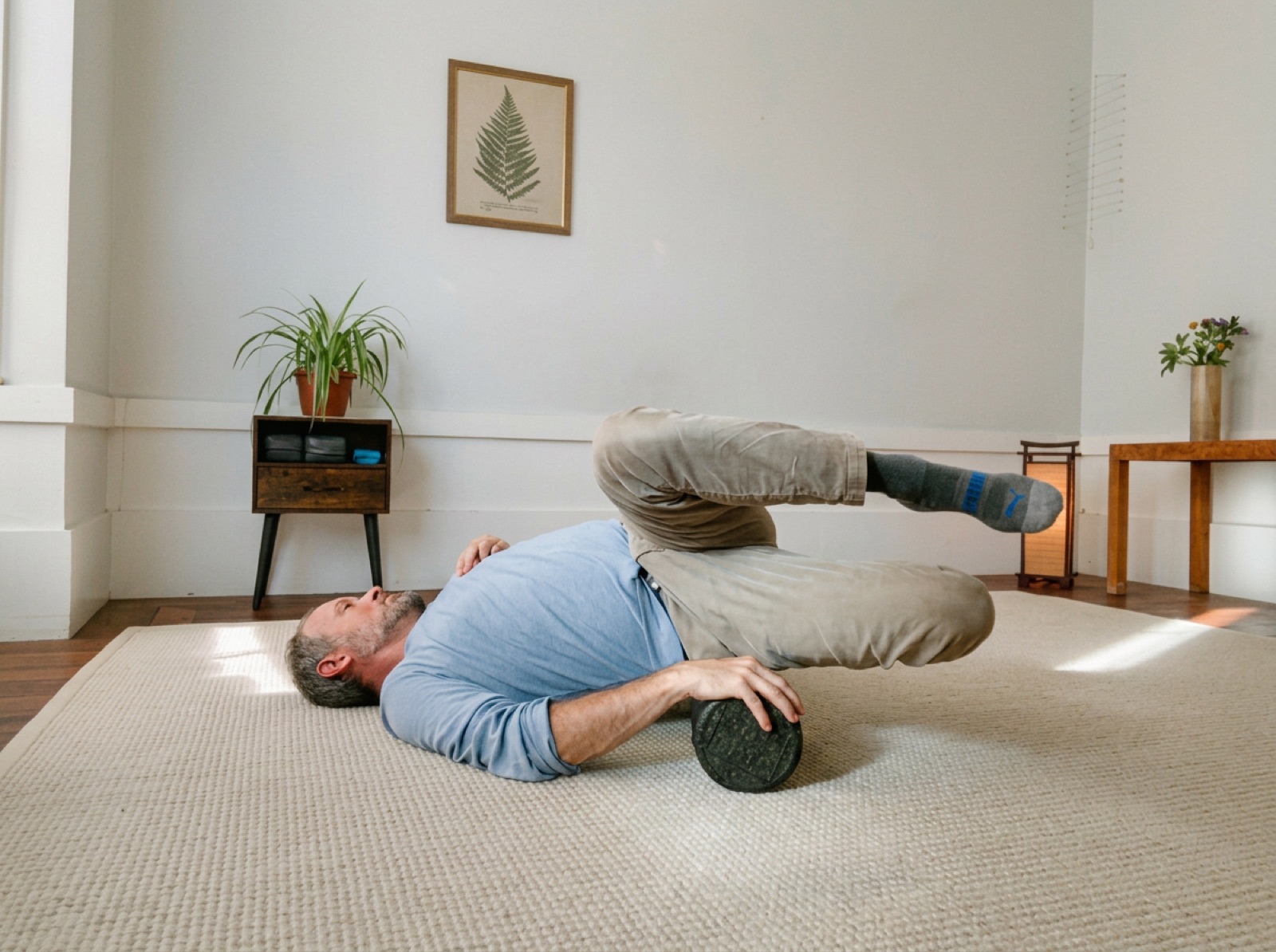
The spinal wave uses a foam roller as leverage, not to dig into muscles the way most people use rollers, but to create space that wasn't there before. When the low back is supported and lifted off the ground, the hips and lumbar spine get to decompress. The muscles that have been gripping and guarding finally get the message that it's safe to let go.
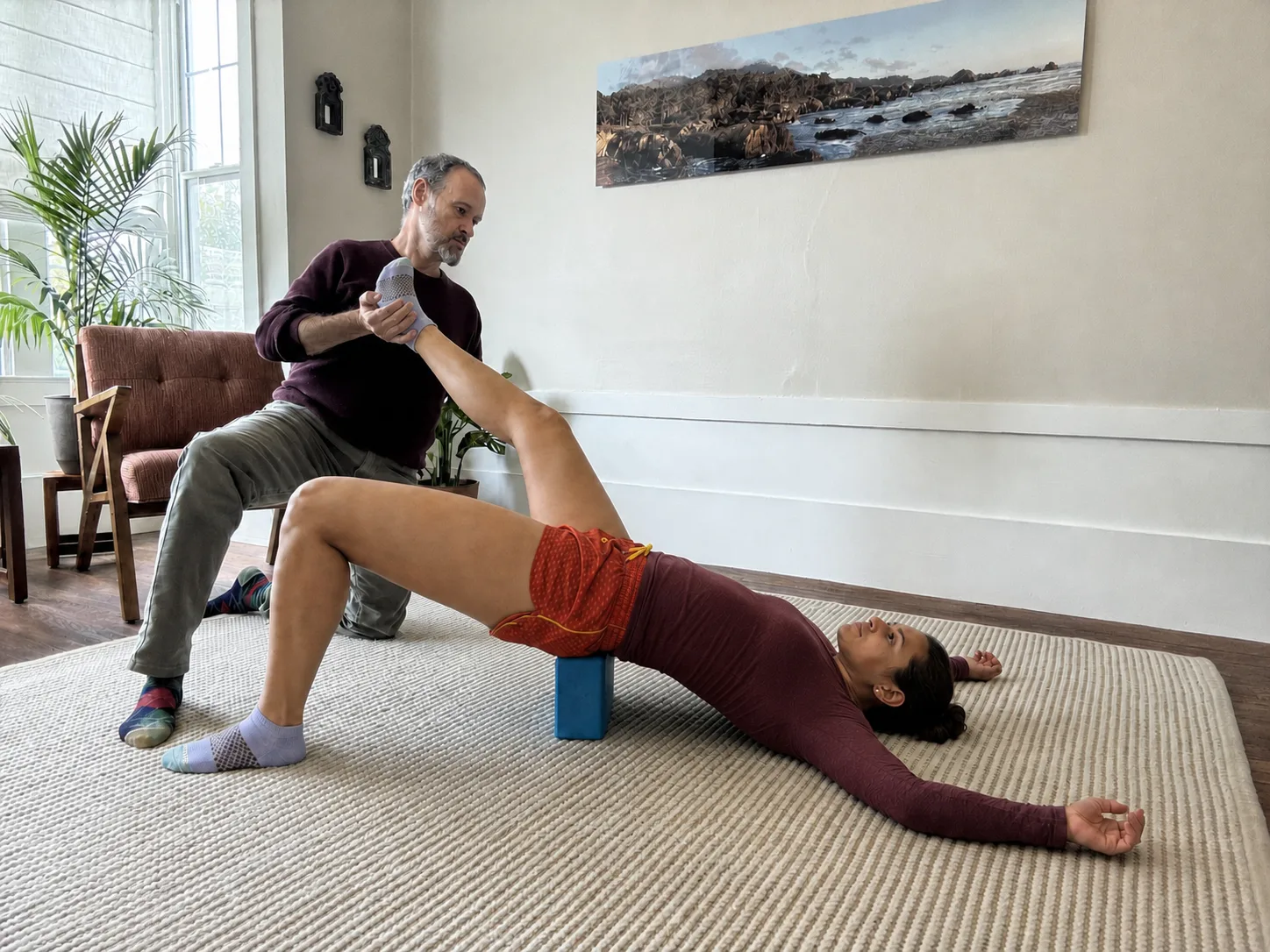
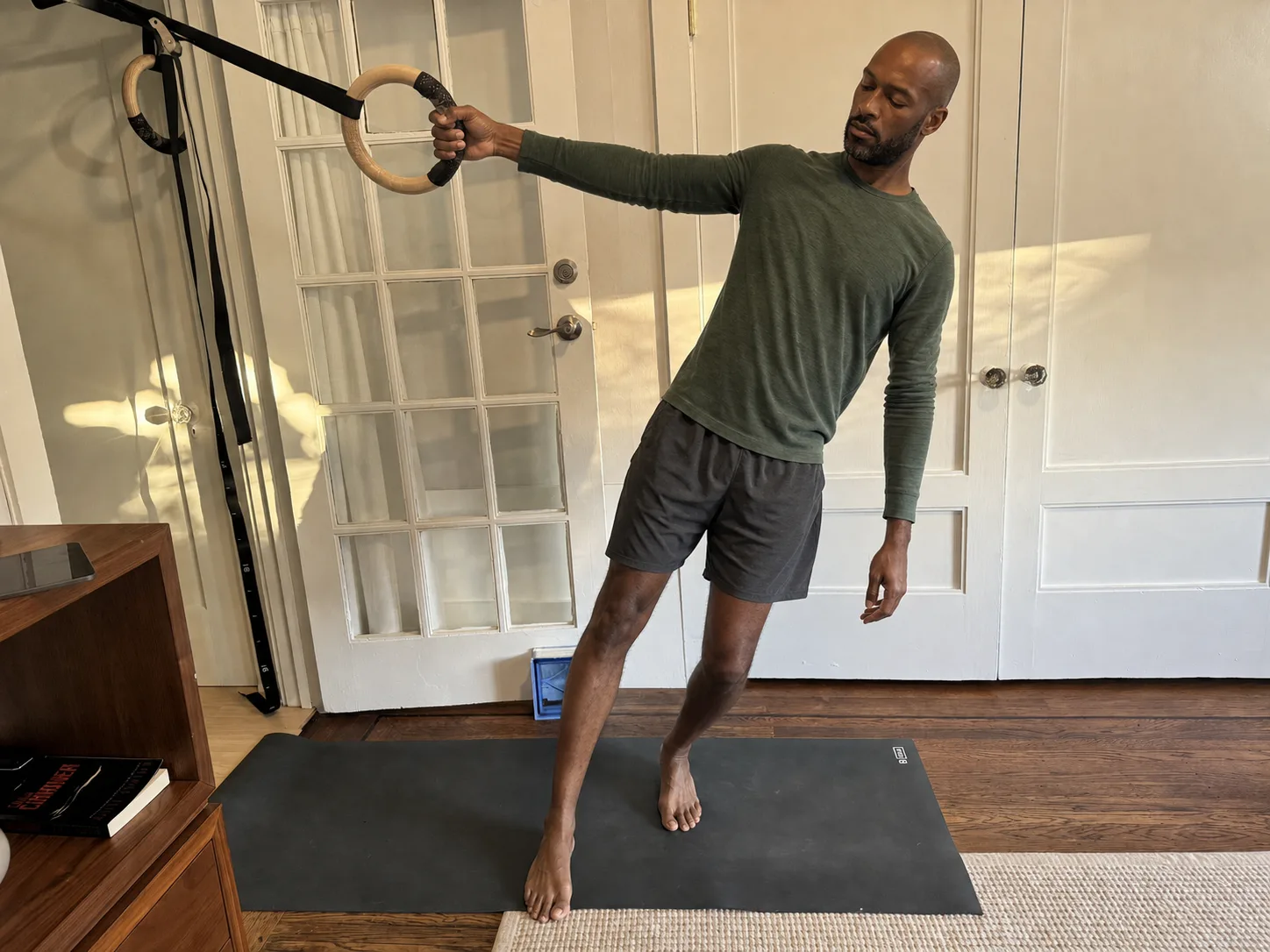
From there, the protocol is about spontaneous, organic micro-movements. Nothing like big stretches or forced positions. They're almost imperceptible. The body starts to find movement on its own, movement it hasn't had access to because everything has been locked down. Everything that was working too hard gets to rest, and everything that wasn't working enough starts working again.
If you're efforting, if you're trying to make big movements happen, if your hands are gripping, you're missing the point. The spinal wave should feel like floating on a wave in the ocean. The ocean is moving you. You're not moving the ocean.
No fast, clunky, mechanical movements. Just smooth, flowing motion, like you're smoothing out rough edges in your low back and hips. The less you try to control it, the more your body releases.
The spinal wave should feel like floating on a wave in the ocean. The ocean is moving you. You're not moving the ocean.Garrett
The spinal wave is deceptively simple-looking, but the details matter enormously. Where exactly the roller sits varies by body type, and even a small difference changes the experience from deeply releasing to uncomfortable. How you initiate movement, how you breathe into it, when to let the movement grow and when to stay small, these are things that are hard to learn from reading about them.
The biggest mistake Garrett sees is people turning the spinal wave into a stretching practice. They make big movements right away, they effort through it, and they miss the entire point. The magic is in the micro. The magic is in the permission, and that's something you learn by feel, with someone guiding you into it.
If stretching keeps giving you the same tightness back, we can help. See how the Amari Method decompresses without force.
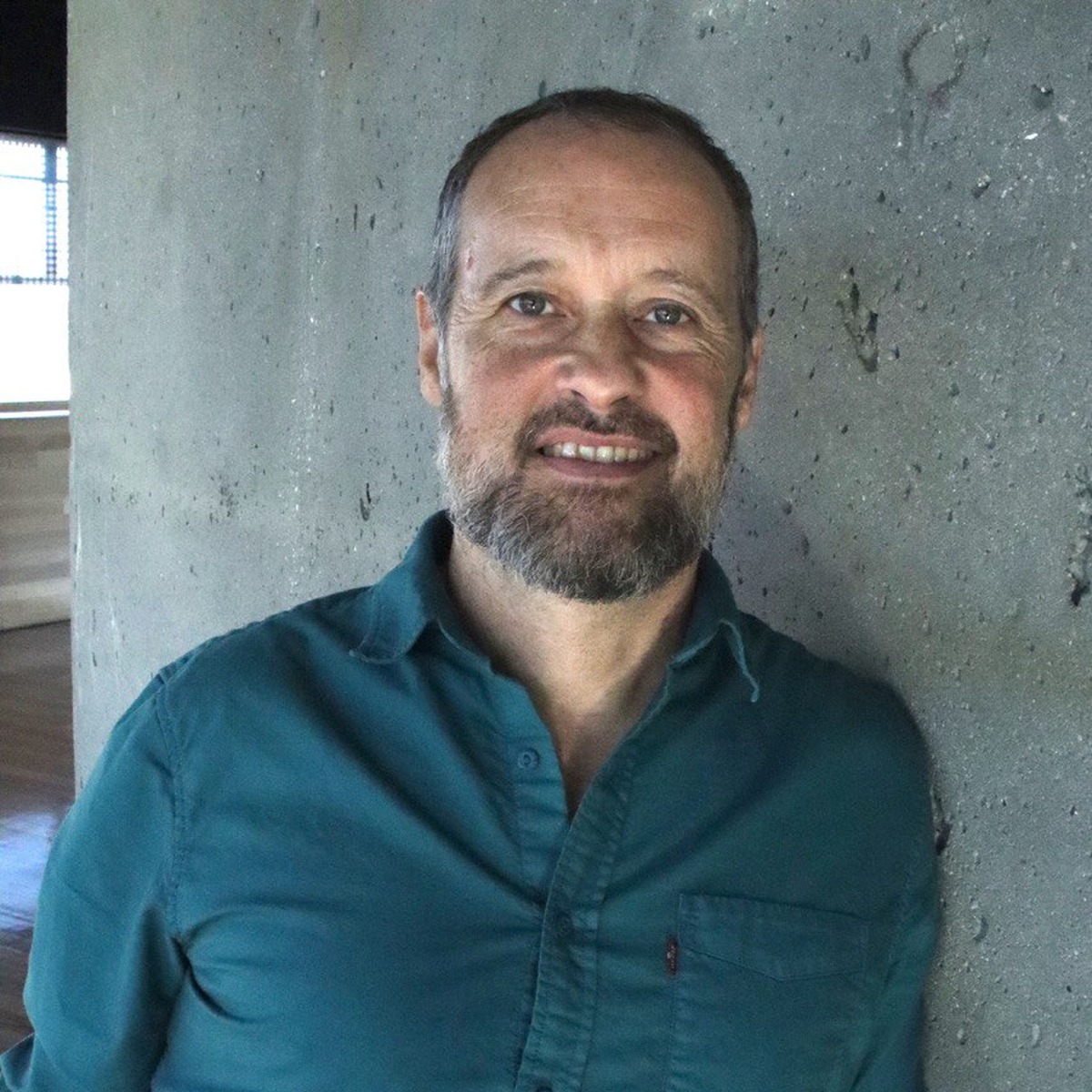
Garrett has spent 25+ years in hands-on practice. He built the Amari Method after using its own protocols to resolve his own carpal tunnel and plantar fasciitis.
Book a session with Garrett. If you don't experience noticeable relief, we keep working with you until you do, at no additional charge.
$29 · Amari Assessment · 50 minutes · San Francisco