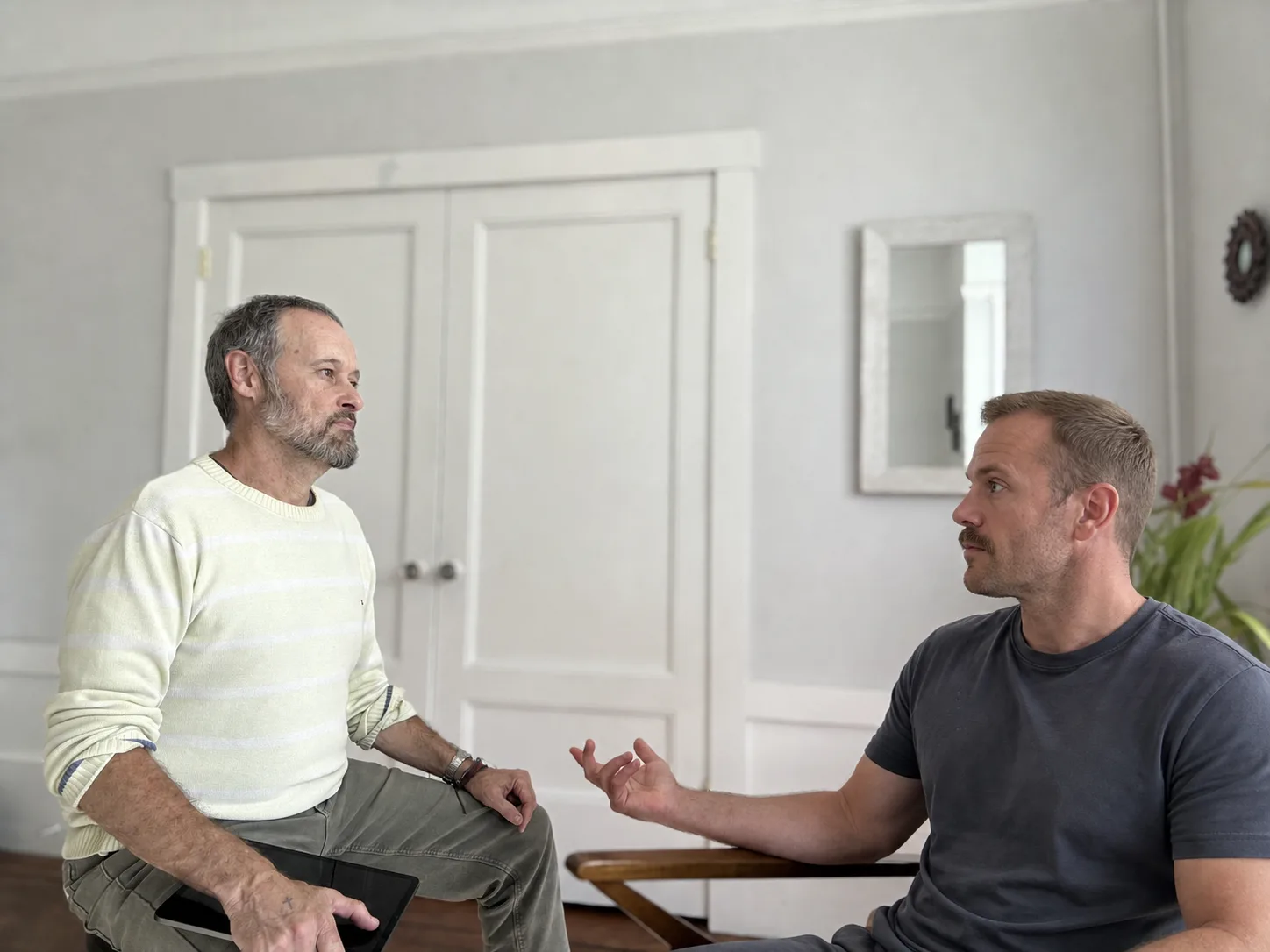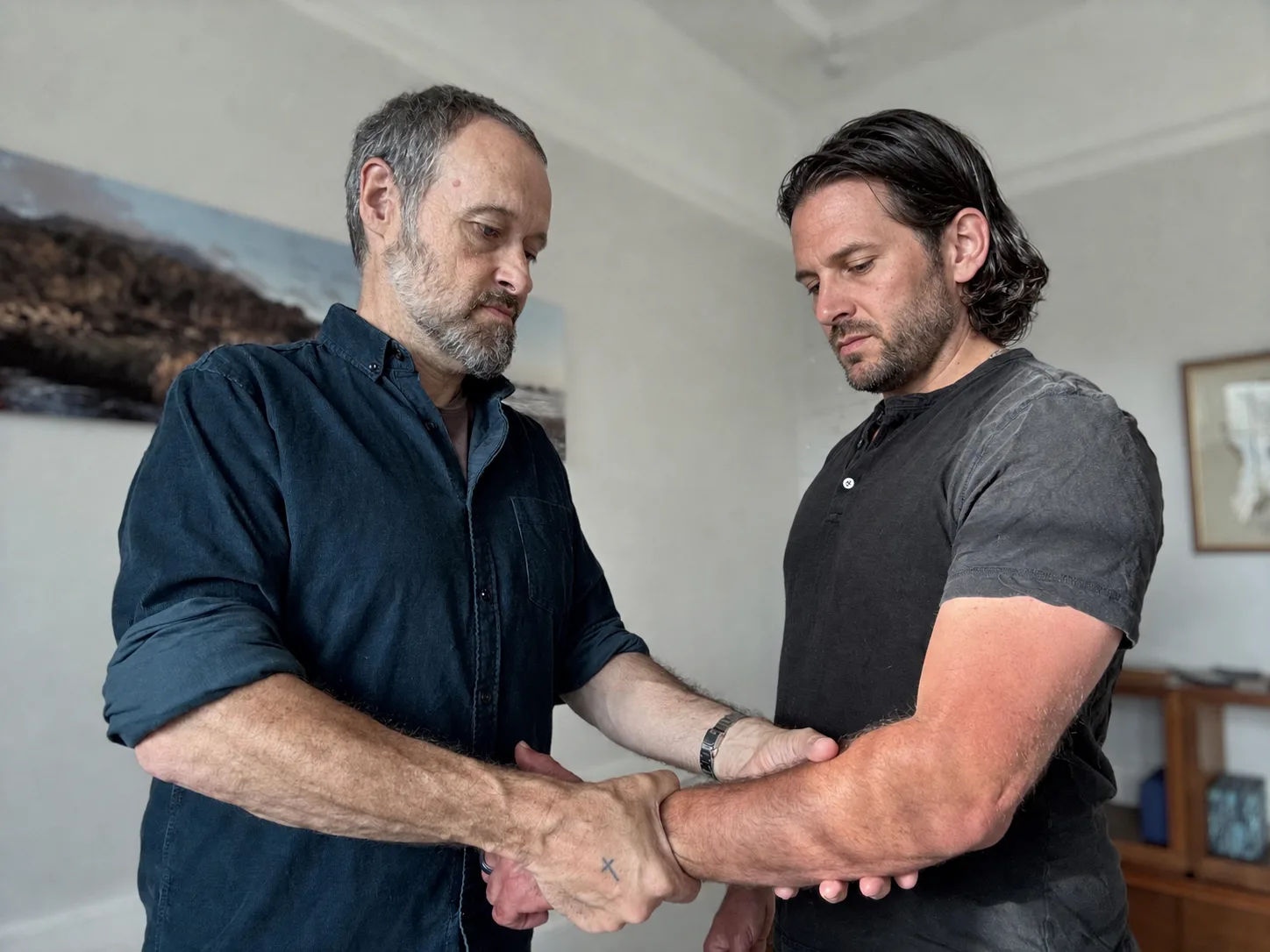
Myofascial release works on fascia directly: pressure, sustained holds, glide. The fascia softens. You feel different leaving the table. Within a day or two, the tightness returns. Here's what's actually happening, and what changes it.
Fascia is plastic. It adapts to what's asked of it. When parts of your body stop doing their job, other parts overwork, and the fascia in those areas tightens to protect the structure. Tight fascia in your hip, IT band, or back is the body's adaptation. Releasing it directly, without changing the load, is asking it to stop adapting to something that's still happening.
Standard myofascial release, structural integration, fascial stretch therapy: all of them address where the fascia has tightened. None of them ask why. As soon as you stand up and walk back into your normal patterns, the fascia tightens again, because the load that created the tightness hasn't changed. Some people repeat that cycle for years, on a schedule, without ever addressing what's upstream of it.
Fascia is responsive tissue. It tightens when it's asked to. The work is in changing what's asking.
Your body is out of balance: parts overworking, parts shut down. The fascia in the overworking areas takes on more load than it should. That's where it tightens. The pattern is the source. The fascia is the receipt.
Tight fascia isn't broken fascia. It's fascia doing exactly what it's designed to do, stiffen to handle the load. The IT band, the thoracolumbar fascia, the plantar fascia: they tighten because something nearby has stopped pulling its weight.
Once Garrett identifies which parts of your body have shut down and brings them back online, the fascia in the overworking areas no longer has anything to grip against. It releases on its own. The release isn't manual. It's structural, and it stays.
Fascia is plastic. It tightens to protect, lengthens to release, remodels over time.Garrett
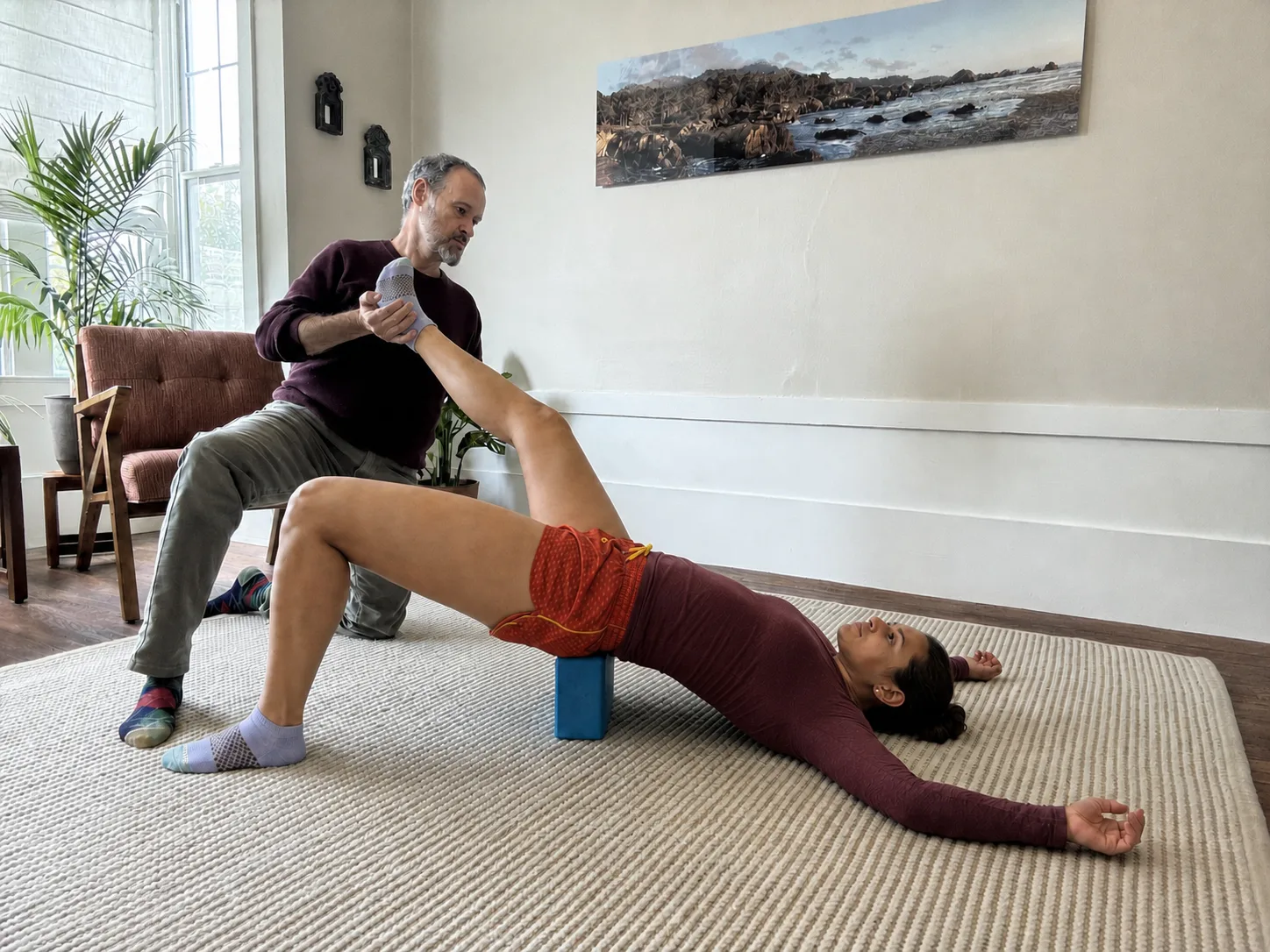
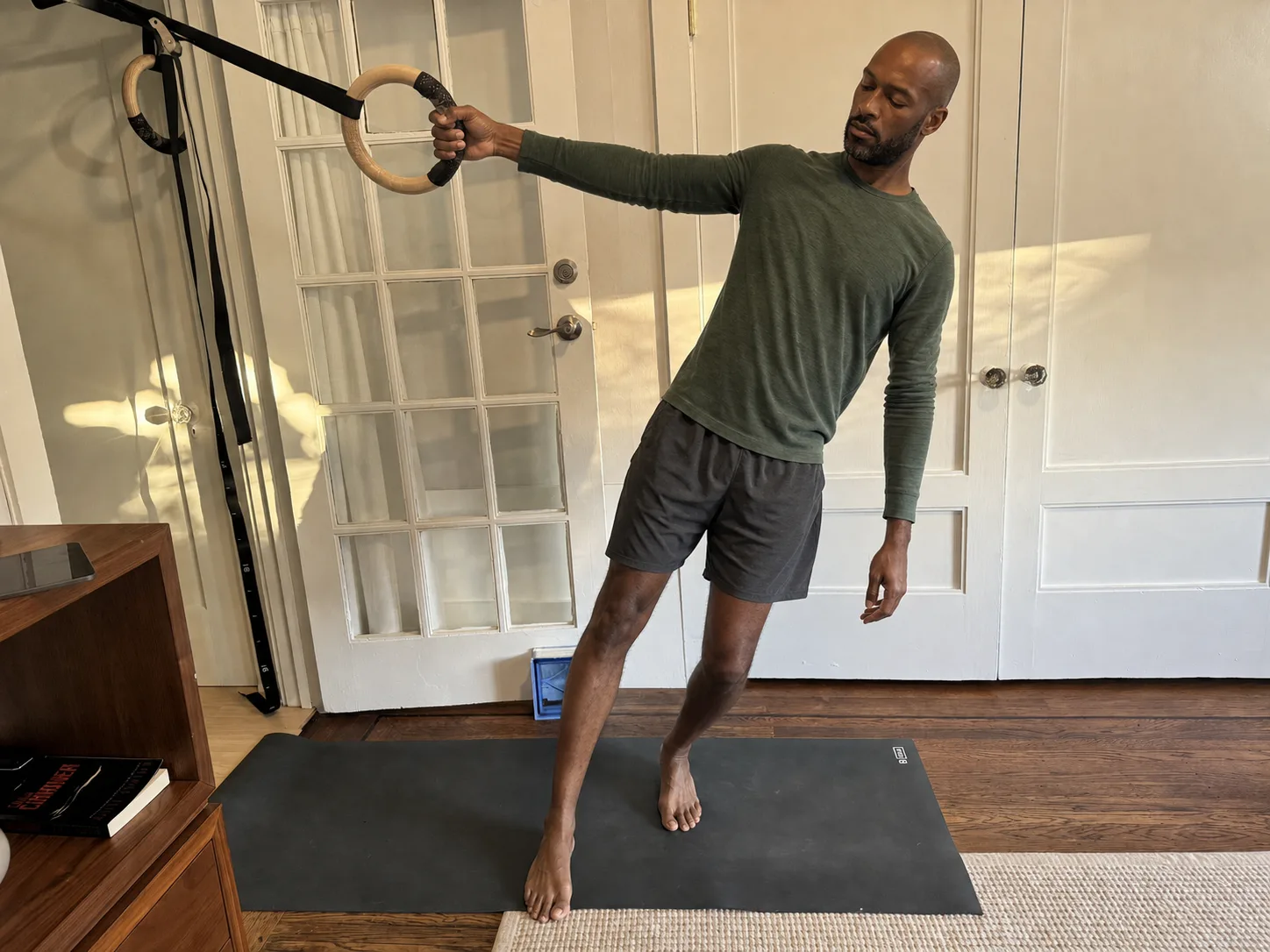
Garrett assesses how your body moves: where it's overworking, where it's shut down. Using simple props like yoga blocks, foam rollers, and gymnastic rings, he guides you through positions where your body finds the pattern and starts to rebalance itself. Most practice members feel a shift before the session ends.
Virtual sessions work the same way. Because the work is in finding the pattern that's loading your fascia, not in hands-on tissue manipulation, video translates cleanly. Garrett assesses your posture and movement over live video and guides you through the same positions.
If your fascia keeps tightening back no matter how much release work you get, we can help. See how the Amari Method finds the pattern behind it.
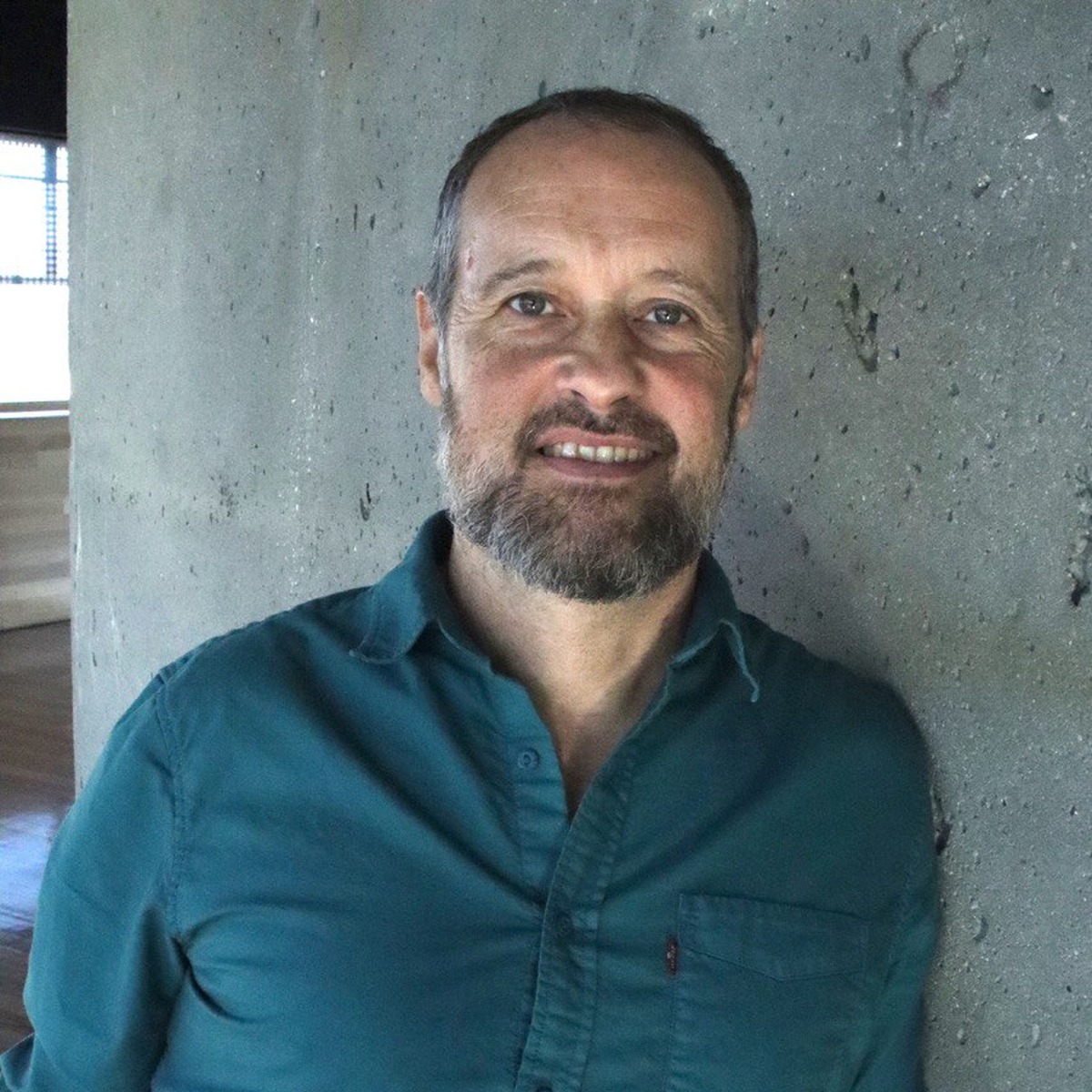
Garrett has spent 25+ years in hands-on practice. He built the Amari Method after using its own protocols to resolve his own carpal tunnel and plantar fasciitis.
Start with an Amari Assessment. Garrett will meet you in person, move with you, and explain what a fuller practice could look like.
$29 · 50-minute in-person Assessment · San Francisco