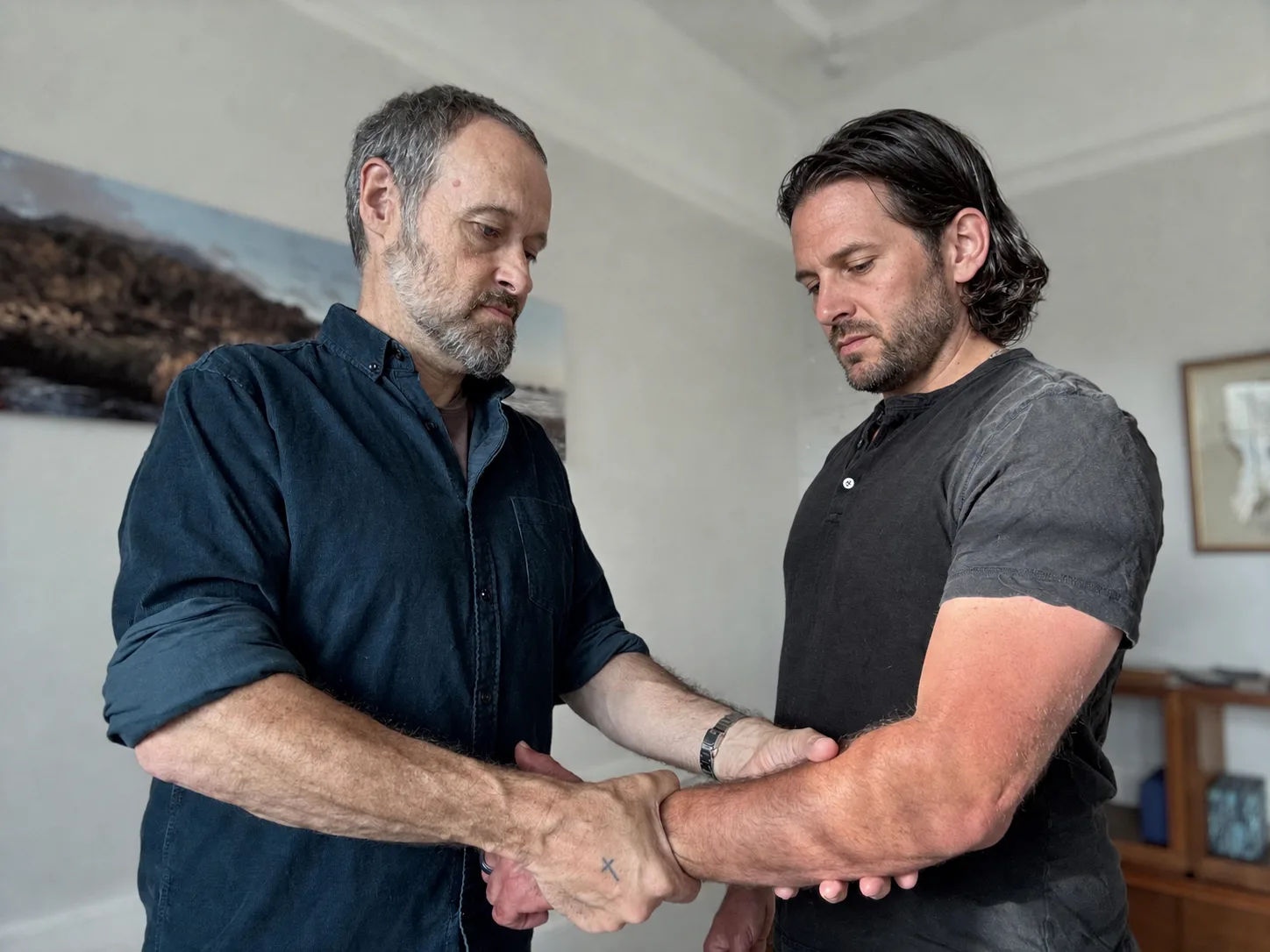
That's a lot of information if you've been reading through the protocol articles. Whether you've read about one of them or all eight, it can seem like a lot at first. It comes together. You find your rhythm.
Here's what makes the Amari Method different from every other pain relief system: you don't have to do everything. You're not following a rigid protocol. You gravitate toward what calls to you, the protocols that feel right for your body and address your specific pain. Those are the ones you do.
That's the core of it. Some muscles are chronically overworked because other muscles aren't pulling their weight. Your shoulders are tight because your mid-back is weak. Your neck hurts because your shoulder blades aren't doing their job. Your low back aches because your hip flexors are locked up.
The entire Amari Method is about rebalancing: getting the underworked parts to work more so the overworked parts can finally relax. Every protocol addresses a different part of this balancing act, and your body knows which parts need the most attention right now.
Your body has wisdom. When you read about a protocol and think, yes, that's what I need, listen to that. When you try something and it feels exactly right, like your body has been waiting for it, stay with it. That's not random. That's your body telling you where the imbalance is strongest.
If you're here for low back pain, stay on the ground. The ground-based protocols are where your body is calling you. If your hands hurt, stay with the hand and grip work. If you have jaw or headache pain, start with the jaw and posture protocols. If you just feel tight and compressed everywhere, start with the decompression work. You don't need to do all eight protocols right now. Focus where your pain is loudest. The rest comes as your body changes.
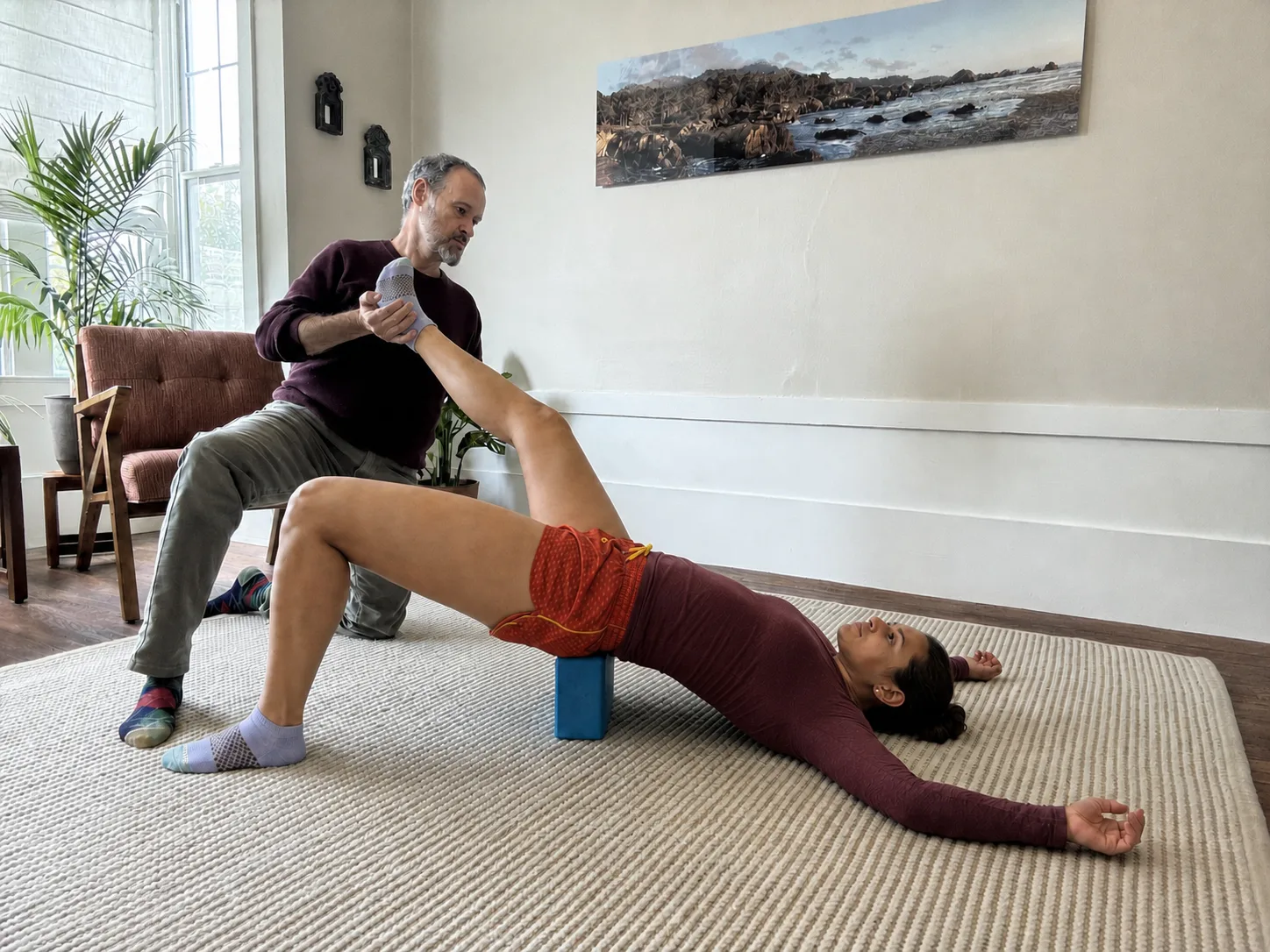
Here's something that might surprise you: the protocols are just the beginning. Each one evolves as your body changes. What you do today looks and feels different in three months. As you practice, muscles that were locked start to release, joints that were compressed begin to decompress, and you discover small adjustments that open up new layers of relief. That's why working with Garrett moves things along faster. Small adjustments in form create large differences in results.
Here's a reframe worth sitting with: your body is doing exactly what you've been asking it to do for years. Sit hunched over. Hold chronic tension. Compensate for weak muscles with tight muscles. Protect joints that don't move properly.
The Amari Method simply asks your body to do different things. Instead of compression, decompression. Instead of chronic tension, balanced strength. Instead of locked joints, restored mobility. Instead of a compensation pattern, proper muscle activation. Your body responds immediately when you give it better instructions. Your body can heal you. The relief people feel isn't magic. It's your body finally being asked to do what it was designed to do.
Gravitate to what is calling to you. Your body knows what it needs most urgently. Trust that.Garrett
You don't need to do everything every day. Consistency with a few protocols that serve your body right now beats a long routine you can't stick with. Some people practice for five minutes, some for thirty. What matters is showing up.
The specific combination of protocols, how long to spend with each one, the order, the progressions: that's what Garrett builds with you in your sessions. Everyone's practice looks different because everyone's body is different, and your practice changes over time as your body changes. Think of the protocols as a language. The articles here introduce you to the vocabulary. Garrett helps you become fluent, putting the right words together for your specific body, in the right order, with the right emphasis.
Your body doesn't need all eight protocols right now. Book a session and Garrett will build the practice your body needs most.
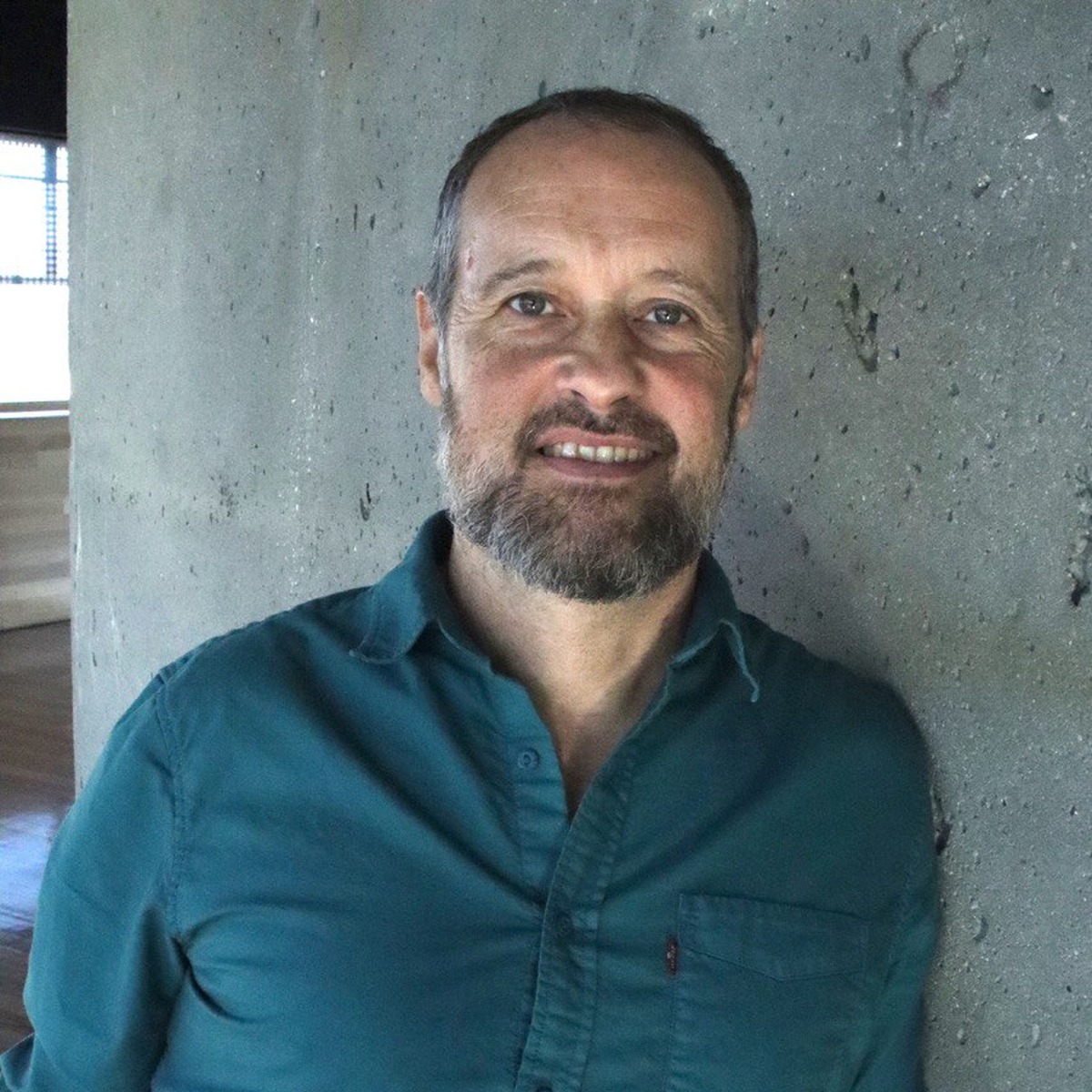
Garrett has spent 25+ years in hands-on practice. He built the Amari Method after using its own protocols to resolve his own carpal tunnel and plantar fasciitis.
Start with an Amari Assessment. Garrett will meet you in person, move with you, and explain what a fuller practice could look like.
$29 · 50-minute in-person Assessment · San Francisco